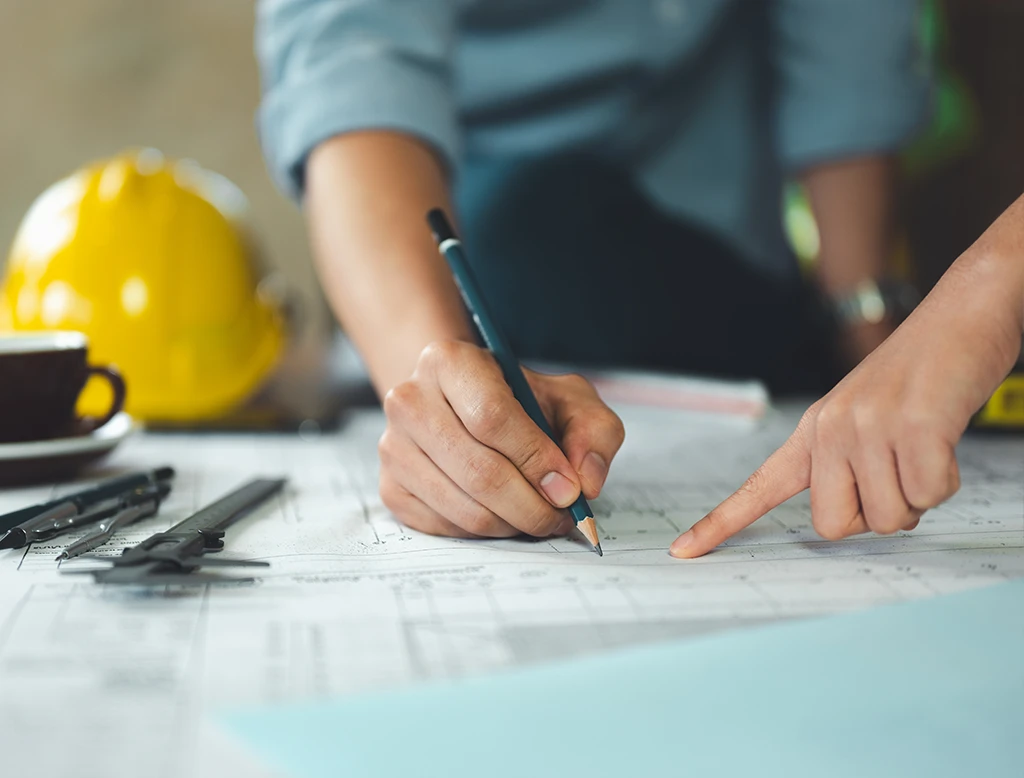
Most construction problems start long before anyone steps on site. They show up in planning when decisions get locked in before anyone fully thinks through how the work will actually get built. A design might look fine on paper but turn into clashes in the field once multiple trades start working in the same space. Costs can also shift midstream and throw budgets off.
Design assist helps catch those issues earlier. Contractors and specialty trades join the process while the design is still developing, so they can flag buildability issues, sequencing conflicts, and cost risks before drawings are finalized. A mechanical contractor might spot ductwork conflicts. A steel fabricator might suggest a simpler connection that saves time in the shop.
Unlike traditional design-bid-build, where contractors only come in after design is complete, design assist brings real construction input into the planning process. That leads to fewer surprises, better cost visibility for owners, and fewer delays once work starts on large commercial projects.
Most design assist projects begin during schematic design or early preconstruction. At that stage, the owner brings key construction partners into the project before the final drawings are complete. Depending on the building type, that may include the general contractor, steel fabricator, mechanical contractor, electrical contractor, or prefabrication partner. Design assist does not replace the architect’s role. It gives the design team access to construction input while key decisions still remain flexible. During design development, the team works through layouts, system coordination, schedules, material choices, fabrication timing, and installation planning.
A typical design assist workflow looks something like this:
Changes get made before construction documents are finalized. Most coordination problems get resolved during planning instead of showing up in the field.
Design assist and design build both rely on early collaboration, but they work differently. In a design build setup, one team handles both design and construction under a single contract. With design assist, the owner keeps separate contracts for the architect and contractor. The architect still owns the final design, while contractors provide input during development based on real construction experience. This structure also gives owners more flexibility when choosing specialists like fabricators or system providers, which matters on projects with complex mechanical systems, prefabricated components, or unusual structural requirements.
Construction projects break down fast when teams work in silos. Design assist keeps architects, engineers, and trades in the same conversations early, which makes coordination easier later. Instead of handing drawings off between teams, design assist resolves conflicts earlier in the process. Early coordination matters even more on projects with tight schedules or complicated mechanical and structural systems.
Few things frustrate owners more than watching a project exceed its original budget halfway through design. Design assist helps create more realistic pricing during design development instead of waiting until drawings are complete. Contractors can provide real-time feedback about labor demands, material costs, lead times, and system alternatives while decisions still remain adjustable. Pricing can still change during construction, but teams gain much better visibility earlier in the process.
Projects move faster when procurement, fabrication, and sequencing discussions start early. Early procurement, fabrication, and sequencing discussions help prevent delays later in construction. It also reduces the amount of rework in the field. Fewer field conflicts keep projects moving.
Some systems look straightforward in the drawings but create installation problems in the field. Trade partners can flag access issues, sequencing conflicts, and labor challenges early enough to simplify installation before construction begins.
Design assist reduces avoidable surprises by resolving conflicts earlier in the process. When contractors participate during planning, they can identify conflicts before those issues reach the field. Teams spend less time fixing preventable problems during construction.
Design assist construction makes the most sense on projects with complex systems, tight schedules, or specialized requirements. When timelines are aggressive, getting ahead on procurement and planning in phases helps keep things moving without last-minute scrambling. It becomes even more important on projects that use prefabricated systems. In those cases, teams need to line up fabrication schedules, delivery logistics, and installation sequencing early, before anything goes into production.
Prefabrication is showing up more often in commercial and industrial work. Building components off-site can improve quality, cut down on field labor, and speed up installation once work starts. But it only works well when coordination happens early. Fabricators and system providers need a seat at the table during design so they can flag things like manufacturing limits, material behavior, transport constraints, and install requirements. When that input happens early, teams avoid a lot of rework, wasted material, and scheduling conflicts later on. For projects using prefabricated metal building systems, early alignment between design teams and construction partners becomes especially important.
Most owners care just as much about the construction process as the final building. That is a major reason design assist construction continues to gain traction across commercial and industrial projects.
Early communication helps teams identify budget, scheduling, and coordination issues before construction begins. That does not mean every project runs perfectly. Schedules shift, procurement delays happen, and field conditions change constantly. Design assist gives teams a chance to solve major coordination issues before they become field problems.
For owners, that often means:
On complex projects, that level of coordination can save significant time and frustration later.
Bluebird Building Systems works with project teams early to help simplify coordination before construction starts. For commercial and industrial projects, early planning matters. Structural systems, fabrication timelines, delivery schedules, and installation sequencing all need to align long before materials reach the job site.
That is where design assist collaboration becomes valuable. Bluebird partners with owners, architects, engineers, contractors, and fabricators during the planning phase to help teams work through real-world construction considerations earlier. The focus stays on aligning structural systems, fabrication schedules, delivery timing, and installation sequencing before construction ramps up. Because Bluebird specializes in prefabricated building systems, the company understands how early decisions affect fabrication efficiency, scheduling, and field installation. When teams coordinate early, projects tend to move with fewer disruptions once construction begins.
Projects usually run smoother when teams solve problems before materials arrive on site.Bluebird Building Systems helps commercial and industrial teams improve coordination through practical planning, prefabricated building expertise, and collaborative project support.
Design assist construction is a way of delivering a project where contractors and specialty trades get involved during the design phase. They help spot buildability issues, cost risks, and coordination problems early, before anything is finalized.
Design build puts design and construction under one contract with a single team. Design assist keeps the architect and contractor under separate contracts, but brings the contractor into the design process early to share real construction input.
It improves coordination between teams, gives more accurate cost feedback during design, reduces changes in the field, improves buildability, and helps projects stay on schedule.
As early as possible, ideally during schematic design or early planning. That’s when input on cost, sequencing, and constructability can actually influence the design instead of reacting to it later.
It often is, mainly because contractors can flag pricing issues and value options while the design is still flexible. That usually leads to fewer redesigns and fewer costly changes during construction.