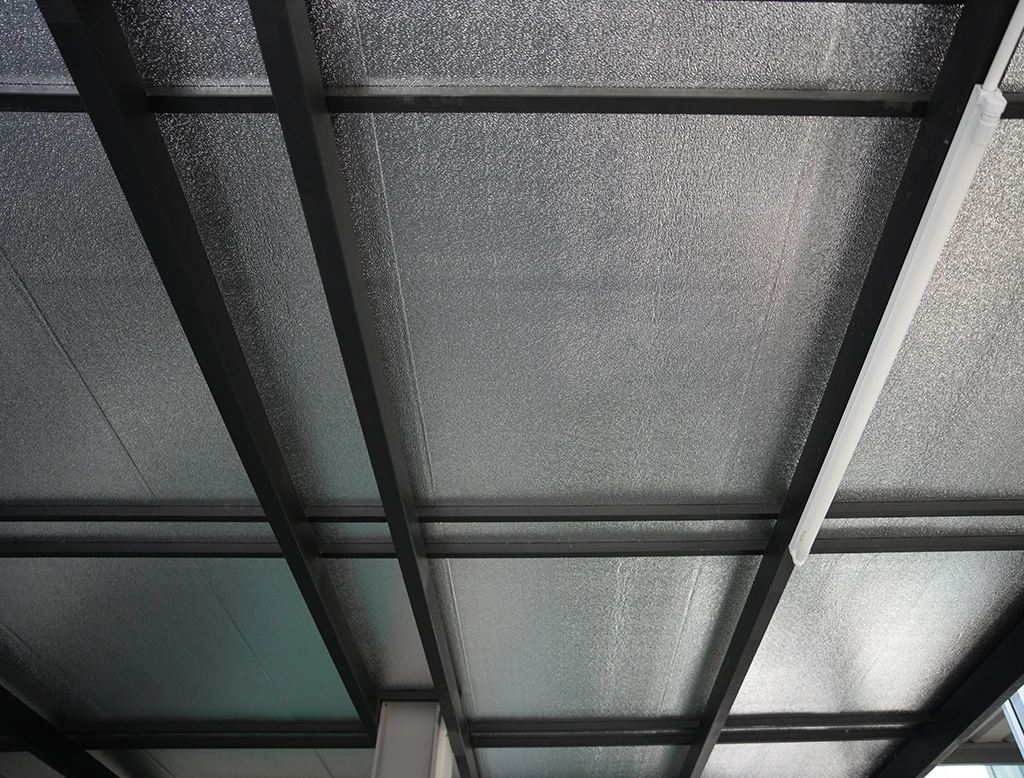
Metal buildings are strong, efficient, and versatile. But without proper insulation, they can become uncomfortable and expensive to maintain. Temperature swings, condensation, and energy loss are common problems. The right insulation solves these issues and protects your investment.
This guide breaks down the best insulation for metal building applications. It reflects what top-ranking pages cover while going deeper into real-world performance, cost, and installation. If you are planning a new build or upgrading an existing structure, this will help you make a confident decision.
Metal conducts heat quickly. In summer, heat moves inside fast. In winter, warmth escapes just as easily. That leads to higher energy bills and inconsistent indoor temperatures. Condensation is another concern. When warm air meets cold metal panels, moisture forms. Over time, this can lead to mold, corrosion, and structural damage.
Good insulation helps you:
Not all insulation works the same. The best choice depends on your building type, climate, and usage.
R-value measures how well insulation resists heat flow. Higher R-values mean better thermal resistance. Metal buildings often require higher R-values because of how quickly metal transfers heat.
Some insulation types include vapor barriers. Others require separate moisture protection. If condensation is a concern, this factor is critical.
Certain insulation systems are easier to install during construction. Others work better for retrofits. Labor costs and complexity can vary widely.
Initial cost matters, but so does performance over time. Cheaper insulation may lead to higher energy bills or maintenance costs later.
Fiberglass is one of the most common options. It comes in rolls or batts and is often paired with a vapor barrier. It is affordable and widely available. It works well in many standard applications, especially in large commercial buildings. However, fiberglass can lose effectiveness if compressed or exposed to moisture. Proper installation is essential.
Spray foam is a high-performance option. It expands on application, sealing gaps and cracks. There are two main types: open-cell and closed-cell. Closed-cell foam offers higher R-values and acts as a moisture barrier. Spray foam provides excellent air sealing and energy efficiency. It is often considered one of the best insulation choices for metal buildings. The downside is cost. It is more expensive than other options and requires professional installation.
Rigid boards are made from materials like polystyrene or polyisocyanurate. They offer strong thermal performance and are resistant to moisture. These boards are often used in walls and roofs. They provide consistent insulation without sagging. Rigid board insulation is durable and effective, but installation can be more labor-intensive.
Reflective insulation uses foil layers to reflect radiant heat. It is commonly used in hot climates where reducing heat gain is a priority. This type works best when paired with air gaps. It is often used alongside other insulation materials rather than as a standalone solution.
Mineral wool is known for fire resistance and sound control. It performs well in extreme temperatures and resists moisture better than fiberglass. It is heavier and typically more expensive, but it offers strong durability and safety benefits.
There is no one-size-fits-all answer. The best insulation depends on your specific needs. For most applications, spray foam stands out for its performance. It seals air leaks, controls moisture, and delivers high R-values in a single system.
Fiberglass remains a practical option for budget-conscious projects, especially when installed correctly with proper vapor barriers. Rigid board insulation is a strong choice for projects that need durability and consistent thermal performance. In many cases, the best solution is a combination of materials. For example, using reflective insulation with fiberglass can improve overall efficiency.
Comfort is the priority. Spray foam or a combination system works well here. It helps maintain stable temperatures and reduces energy costs.
Large spaces often benefit from fiberglass systems due to cost efficiency. Adding reflective layers can improve performance in hot climates.
Moisture control is key. Spray foam or mineral wool can help prevent condensation and protect equipment or livestock.
Choosing insulation is not just about material. Installation and planning matter just as much. Poor installation can reduce effectiveness. Gaps, compression, or missing vapor barriers can lead to energy loss and moisture problems. Another mistake is focusing only on the upfront cost. Lower-cost options may result in higher long-term expenses. Ignoring the climate is also a common issue. What works in a cold region may not be ideal in a hot, humid environment.
Choosing the right insulation is easier when it is part of a complete building system. That is where Bluebird Building Systems stands out. They design metal buildings with performance in mind from the start. Instead of treating insulation as an afterthought, it is integrated into the overall structure.
This approach helps ensure:
When insulation is planned alongside the building design, you avoid many of the common problems that come from mismatched systems.
Insulation costs vary based on material, building size, and installation complexity. Fiberglass is typically the most affordable upfront. Spray foam costs more but can reduce energy bills significantly over time. Rigid board and mineral wool fall in the middle to higher range, depending on application. It is helpful to think in terms of the total cost of ownership. Energy savings, maintenance, and lifespan all play a role.
Proper insulation can dramatically reduce heating and cooling costs. In some cases, energy savings can offset the initial investment within a few years. Sealing air leaks is just as important as insulation itself. Systems like spray foam excel in this area, which is why they often deliver the best results. A well-insulated metal building is easier to maintain and more comfortable to use year-round.
Materials matter, but so does the company behind the project. Working with an experienced provider ensures your insulation system is designed and installed correctly. Bluebird Building Systems combines engineering, materials, and real-world experience to deliver reliable results. Their approach focuses on long-term performance, not just short-term fixes.
If you are planning a metal building or upgrading an existing one, the right insulation makes all the difference. Bluebird Building Systems can help you choose and implement the best solution for your needs. Get expert guidance on insulation and custom metal building solutions tailored to your project.
Fiberglass insulation is usually the most affordable option. It works well for large spaces when installed correctly. Keep in mind that lower upfront cost may come with lower performance compared to spray foam.
Spray foam is one of the best choices for preventing condensation. It creates an air-tight seal and acts as a moisture barrier. This reduces the risk of water buildup inside the building.
Yes, existing metal buildings can be insulated. Spray foam is often used for retrofits because it can be applied directly to surfaces and fills gaps effectively.
Thickness depends on the desired R-value and local climate. Colder regions require higher R-values, which means thicker insulation. Building codes often provide minimum requirements.
Reflective insulation works best as part of a system. On its own, it may not provide enough thermal resistance. It is most effective when combined with other insulation types.
Yes, insulation can help reduce noise. Materials like mineral wool and fiberglass are especially effective at absorbing sound, making the building quieter inside.